In youth ministry, “safe” might be our most-used word. We make sure our events are safe. Our leaders are safe. Even our teaching is safe.
And don’t hear me wrong: safety matters. Background checks, two-adult rules, medical forms, wise boundaries. None of that is optional. Parents trust us with their kids, and we take that seriously.
But somewhere along the way, “safe” started meaning something else. Comfortable. Predictable. Nobody gets stretched, and nobody fails.
Here’s the problem: when everything is safe, students stop taking risks.
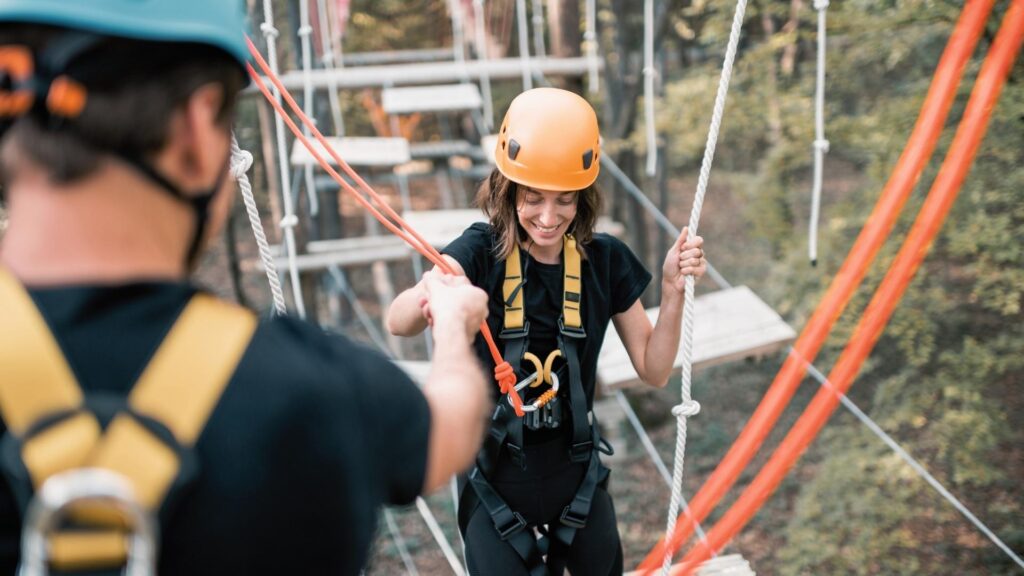
I’ve seen it over and over. Students who’ve only known “safe” environments rarely step out in faith. They avoid challenge. They sit in the back of small group and hope no one asks them to pray out loud. And they never learn to depend on God when things get uncomfortable, because things never get uncomfortable.
That’s not a student problem. It’s a design problem.
Rethinking “Safe”
Students don’t need a youth ministry with no risk. They need one where the risk is worth it.
Think about the moments that shaped your own faith. Most of them probably weren’t comfortable. Maybe you led something and felt in over your head. Maybe it was a mission trip, a hard conversation, or a season when all you had left was prayer. That’s where growth happened: right past the edge of what you could handle on your own.
Paul reminded a young leader, “for God gave us a spirit not of fear but of power and love and self-control” (2 Timothy 1:7, ESV). We want our students protected. We also want them bold.
So what could that look like this week? Ask a quiet student to read Scripture or pray, and coach them beforehand so they’re ready. Let a student leader run the game, plan the night, or lead discussion, even if it’s messier than when you do it. Give students a real challenge to live out between Sundays, then follow up.
Physical and emotional safety stay non-negotiable. Spiritual comfort doesn’t get the same protection.
One Next Step
Look at your next gathering and find one place where a student could take a real step of faith. Then hand them that step, and stand right beside them while they take it.
That’s a kind of safe worth building.